Gao Gae Two Card Pair: What Beats It?
The Gao Gae two card pair is a deceptive hand that crushes beginners and enriches sharp card counters who understand the mechanical pecking order of Thai-style poker. If you are holding a two card pair in Gao Gae, you are sitting on a statistical anomaly that wins against every single unpaired hand, every busted straight draw, and every lone high card the dealer can throw at you. But the moment your opponent flips over a higher two card pair, your entire bankroll strategy collapses like a cheap folding chair. 🔥
The Raw Mechanics of a Two Card Pair
Gao Gae, often butchered in translation as "chicken cards" by tourists who never bothered to learn the actual rules, operates on a brutal three-card hierarchy where pair strength is determined first by the rank of the paired cards, then by the kicker. A two card pair means exactly what it sounds like: two of your three cards share the same rank, and the third card is your kicker. The probability of pulling a two card pair from a freshly shuffled deck sits around 16.9 percent per hand, which means you will see this configuration roughly once every six deals. That frequency is high enough to make it a core profitability driver for anyone grinding cash games in Bangkok, Pattaya, or the border casinos of Poipet.
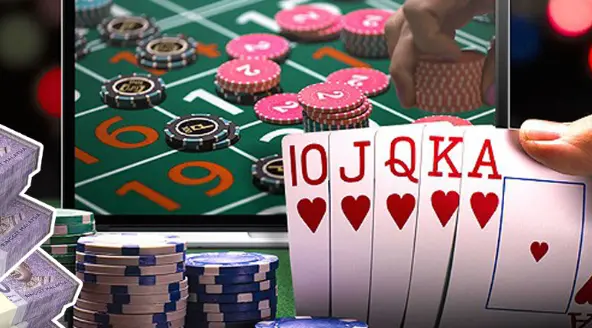
What beats a two card pair? The short answer is: a higher two card pair, and absolutely nothing else in the standard unpaired hierarchy. A pair of kings with a two kicker annihilates a pair of queens with an ace kicker because the pair rank always trumps the kicker. This is where ninety percent of amateur players lose their shirts. They see an ace kicker and assume their hand is invincible, completely ignoring that the paired rank is the only number that matters in a head-to-head showdown. The kicker only becomes relevant when two players hold the exact same pair rank, which happens with a frequency of roughly 0.3 percent in a full ring game.
Exact Rankings That Destroy a Two Card Pair
Let me break down the pecking order with surgical precision. A two card pair of aces beats every other two card pair. A pair of kings beats everything except aces. A pair of queens beats everything except aces and kings. This cascading dominance continues all the way down to a pair of twos, which only beats a lower pair of twos with a weaker kicker. There is no straight, no flush, and no three-of-a-kind in standard Gao Gae that can override this hierarchy, because Gao Gae does not use five-card poker hand rankings. If you are coming from Texas Hold'em and assuming a straight beats a pair, you are about to donate your entire stack to the house. 💸
The only hands that beat a two card pair are: a higher two card pair, and a three of a kind, which is called a "tong" in Thai and represents the absolute nuts in this game. A three of a kind beats every two card pair regardless of rank. So if you hold a pair of aces and your opponent reveals three twos, you lose. Period. The mathematical probability of a three of a kind appearing in any given hand is approximately 0.24 percent, which makes it rare enough that most players will never see it in a single session, but common enough that you must factor it into your bet sizing when the pot gets bloated.

Kicker Wars and the Deceptive Trap
When two players both hold a two card pair of identical rank, the kicker decides everything. A pair of nines with a king kicker beats a pair of nines with a seven kicker. This is the only scenario where the third card carries any weight whatsoever. I have watched professional players lose six-figure pots because they forgot this single rule while playing against a Gao Gae two card pair specialist who knew the kicker hierarchy cold. The psychological trap here is that beginners overvalue their kicker in every other situation, then completely forget about it when it actually matters. That cognitive dissonance is your edge if you can exploit it.
Bankroll Implications and Table Selection
Understanding what beats a Gao Gae two card pair is not just an academic exercise. It directly dictates your bet sizing, your call frequency, and your table selection strategy. In a loose-passive game where opponents call with any pair regardless of rank, your higher two card pairs print money at a rate that would make a blackjack card counter weep with envy. In a tight-aggressive game where opponents only raise with three of a kind or aces, your middle pairs become bluff-catchers at best and fold equity nightmares at worst. The Gao Gae two card pair is a weapon, but only if you know exactly which targets it can penetrate and which ones will bounce the bullet right back into your face. 🎯
The algorithmic reality is that a two card pair wins approximately 83 percent of the time against a random unpaired hand, but only 47 percent of the time against a random three-card hand that includes another pair or a three of a kind. Those numbers shift dramatically based on the number of players at the table. In a heads-up match, your two card pair is a monster. In a six-handed game, it is a marginal holding that requires careful pot control and disciplined folding when the action heats up. The house edge does not come from the cards themselves; it comes from players who refuse to fold a pretty-looking pair when the math screams at them to get out.